
Reach for Ribera: A Landscape That Shapes the Wine
Drive north from Madrid and the landscape begins to open out.
The vineyards of Ribera del Duero appear gradually across the Castilian plateau, scattered across rolling limestone slopes and sandy terraces that follow the course of the Duero River.
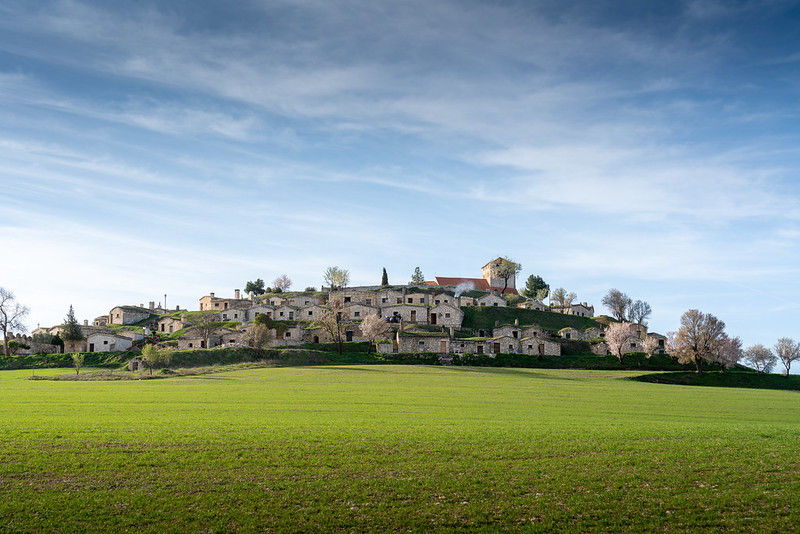
Villages such as La Aguilera, Quintana del Pidio, and Pedrosa de Duero sit quietly among the vineyards, their stone houses and underground cellars reflecting centuries of winemaking tradition.
Ribera del Duero may only have gained Denominación de Origen status in 1982, but viticulture here stretches back much further. Today more than 300 wineries work vineyards across the Duero valley, many drawing fruit from old plots farmed by generations of growers. Since gaining Denominación de Origen status, Ribera del Duero has grown into one of Spain’s most respected wine regions, and what is becoming increasingly apparent is just how much diversity exists within the region itself.
It is a striking landscape — but not an easy one.
Winters can be bitterly cold, summers intensely hot and rainfall is scarce. Growers often summarise the climate with a phrase that captures the challenge rather well: nine months of winter and three months of hell.
Yet these extremes are precisely what shape the wines.
Master of Wine Almudena Alberca has described Ribera del Duero as a region where multiple factors combine to create complexity: altitude, soils, orientation and the influence of the river basin.
Altitude, soils and vineyard exposure all influence the character of the wines, and many producers are now exploring these differences more closely.
At the centre of Ribera del Duero is Tempranillo, known locally as Tinto Fino or Tinta del País, a grape that thrives in this demanding environment.
While the region is best known for powerful red wines, Ribera also produces vibrant rosado wines, traditionally made from Tempranillo, as well as a small but growing number of distinctive white wines.

What This Means for the Wines
Spend time tasting wines from across Ribera del Duero and the influence of the landscape quickly becomes clear.
Altitude helps preserve freshness in the grapes.
Extreme climatic conditions limit yields and concentrate flavour.
Old vines bring depth and structure.
Many vineyards sit between 750 and 950 metres above sea level, where warm days encourage ripening while cool nights help retain acidity.
The result is Tempranillo that combines richness with balance
Wines such as Cillar de Silos Crianza and Viña Pedrosa Cepa Gavilán show this interplay particularly well — dark cherry and plum layered with subtle oak spice and firm tannins, yet lifted by a freshness that reflects their high-altitude origins.
Why Ribera Is Worth Discovering
What makes Ribera del Duero so compelling today is not simply the quality of the wines, but the way producers are beginning to explore the region’s diversity.
Ribera del Duero has long been known for powerful wines, but the region is far more diverse than that reputation suggests - there is now growing interest in vineyard expression, altitude and more nuanced interpretations of Tempranillo.
Old vines, high altitude and a landscape shaped by extremes continue to define the region.
From structured reds to vibrant rosados and emerging white wines, the region continues to reveal new dimensions.
And that is precisely why Ribera del Duero remains one of Spain’s most fascinating wine regions to explore.
It is a landscape that rewards those willing to look more closely at its vineyards.
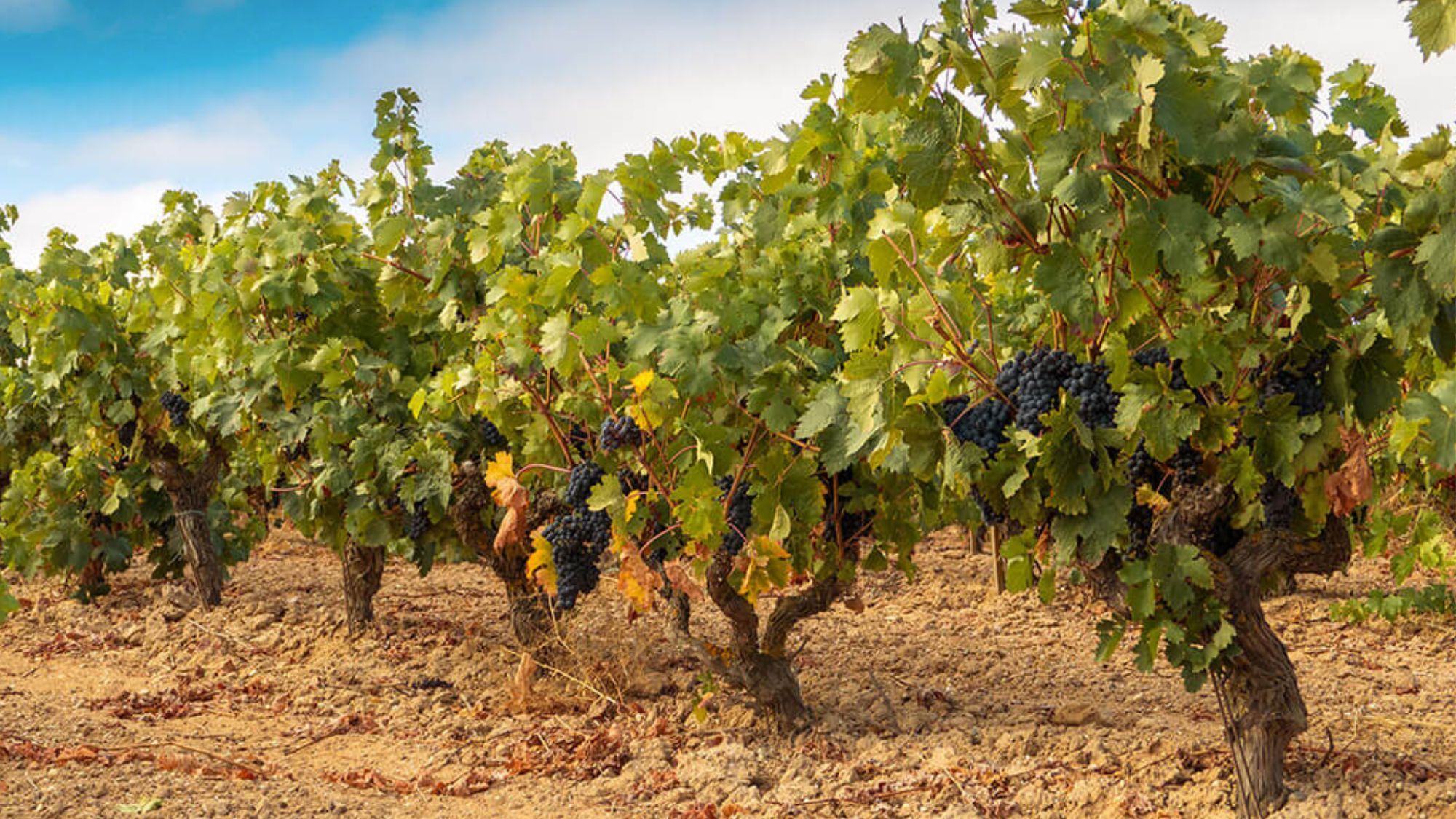
Old vine in Ribera Del Duero
Photo Copyright: CRDO Ribera del Duero



Comments