
Reach for Ribera: Soils That Shape the Wines
Travelling through Ribera del Duero, it quickly becomes clear that the region is far from uniform.
While altitude and climate often dominate discussions of Ribera’s vineyards, the soils beneath the vines are just as important in shaping the character of the wines.
Across the Duero valley the landscape forms a patchwork of limestone slopes, clay terraces and sandy riverbanks. These soils were formed over thousands of years by geological movement and the slow erosion of the river itself.
Much of the region’s vineyard area is divided into small plots, many farmed by families who have worked the same land for generations. With thousands of growers cultivating vineyards across the valley, this fragmented landscape contributes to the remarkable diversity found across Ribera del Duero.
In villages such as Quintana del Pidio and La Aguilera, limestone-rich soils dominate the slopes, often producing wines with structure and ageing potential.
Further along the valley, sandy soils and clay-rich terraces create slightly different growing conditions, influencing both vine vigour and ripening patterns.
It is this diversity of soils that helps explain why wines from Ribera del Duero can show such varied expressions of Tempranillo.
Tempranillo responds particularly well to differences in soil and altitude, which is why vineyard site plays such an important role in shaping the style of Ribera wines.
In recent years many producers have begun to look more closely at these differences, focusing on individual vineyard parcels and specific sites rather than blending fruit from across the wider region.
What This Means for the Wines
Soils influence how vines grow, how water is retained in the vineyard and ultimately how grapes ripen.
Limestone soils often produce wines with structure and tension.
Clay soils can contribute richness and body.
Sandy soils may bring aromatic lift and elegance.
Together these elements help create the complexity that defines Ribera del Duero.
At Cillar de Silos, vineyards around Quintana del Pidio combine limestone and clay soils, producing Tempranillo with both depth and freshness.
Meanwhile the high-altitude plots farmed by Valdaya around La Aguilera highlight how specific vineyard parcels can reveal a more precise expression of the region’s terroir.
These wines show how the interaction between soil, altitude and climate continues to shape Ribera’s evolving style.
Soils, Sustainability and Vineyard Health
Understanding soils has also become central to how growers think about sustainability.
Healthy soils help retain moisture, an important advantage in Ribera’s dry climate. They also support microbial life that strengthens vines and encourages balanced growth.
Across the region, more producers are adopting vineyard practices that protect soil structure — reducing chemical inputs, encouraging biodiversity and maintaining vegetation between the rows.
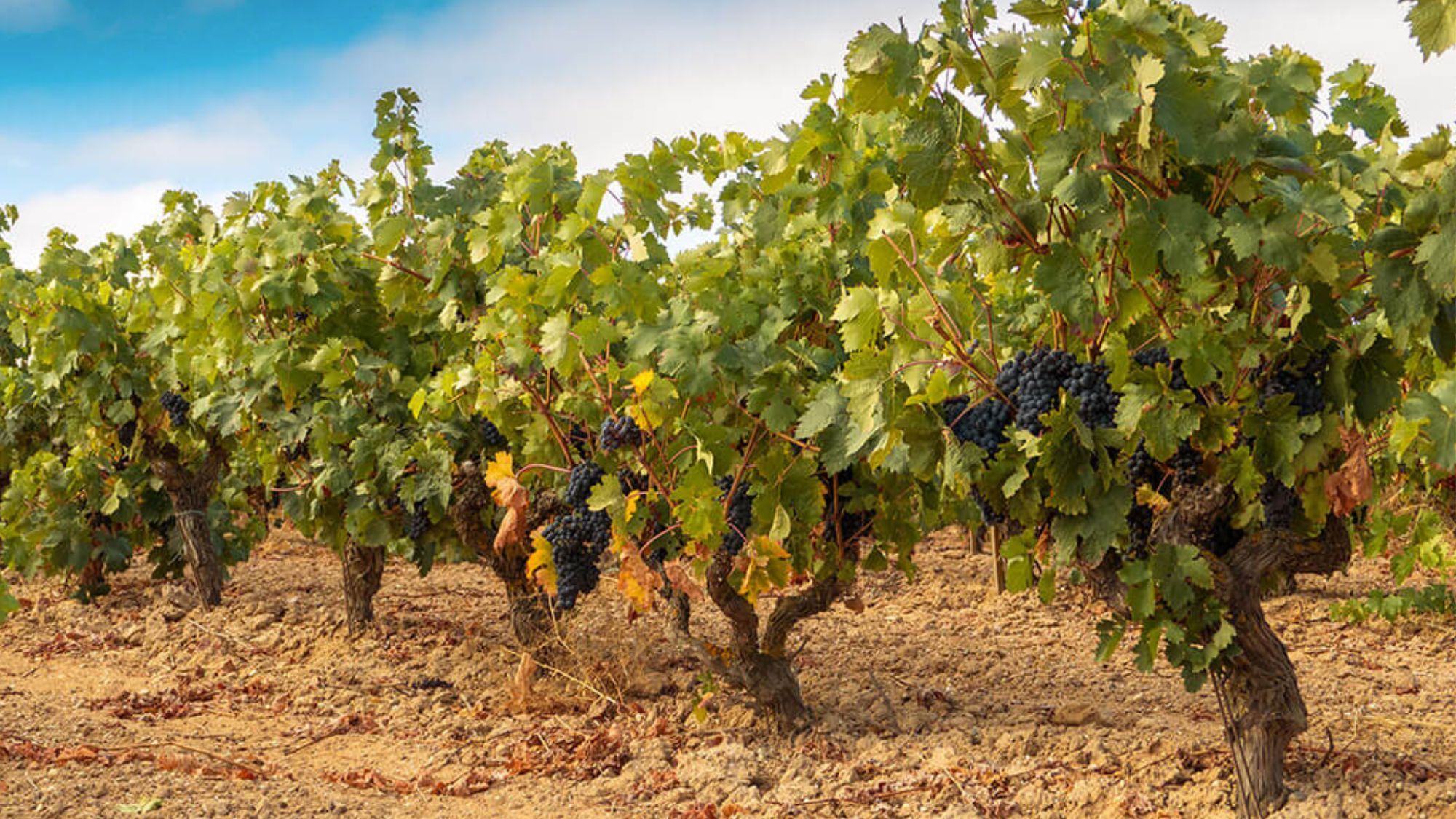
Old vines, with their deeper root systems, also play an important role in this landscape, allowing vines to access water further below the soil surface during dry summers.
These approaches not only improve the long-term health of the vineyard but also allow the wines to reflect their origins more clearly.
Photo Copyright: CRDO Ribera del Duero
Why Ribera Is Worth Discovering
One of the most exciting developments in Ribera del Duero today is the growing focus on terroir.
Alongside the powerful wines that first defined the region’s reputation, producers are increasingly exploring how individual vineyard sites influence the character of Tempranillo.
Soils, altitude and careful vineyard stewardship are helping reveal a more nuanced picture of Ribera del Duero.
It is a reminder that beneath the dramatic landscape lies a remarkable diversity — one that continues to reward those willing to explore the region’s vineyards more closely.



Comments