
Reach for Ribera: The People Behind the Wines
“The identity of Ribera del Duero lies not only in its vineyards, but in the people who continue to care for them.”
In Ribera del Duero, the vineyards may define the landscape, but it is the growers who give the region its character.
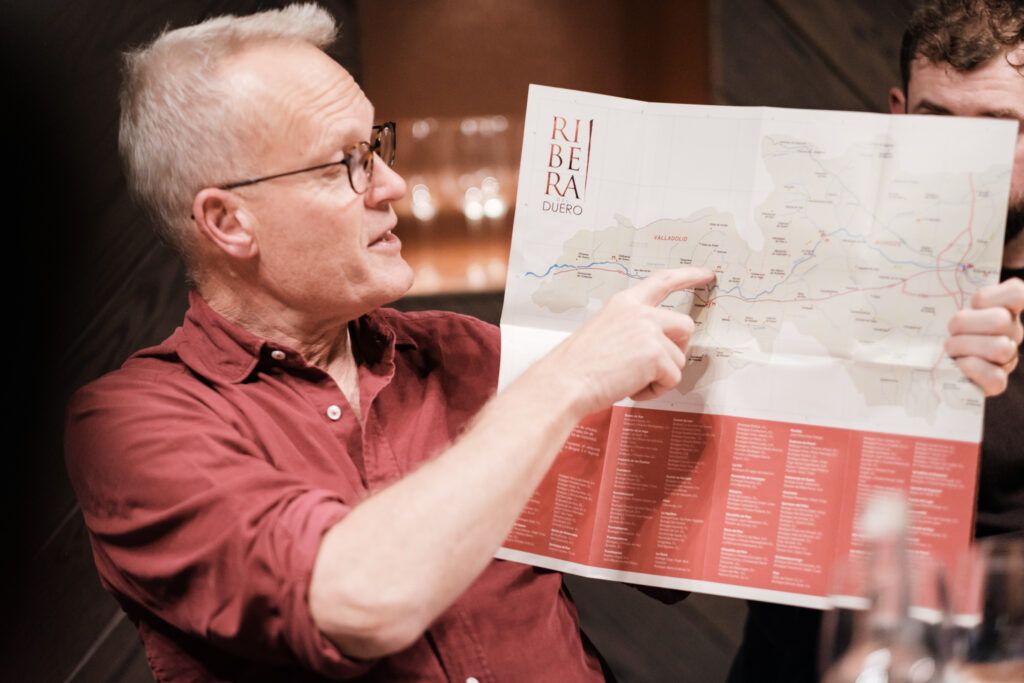
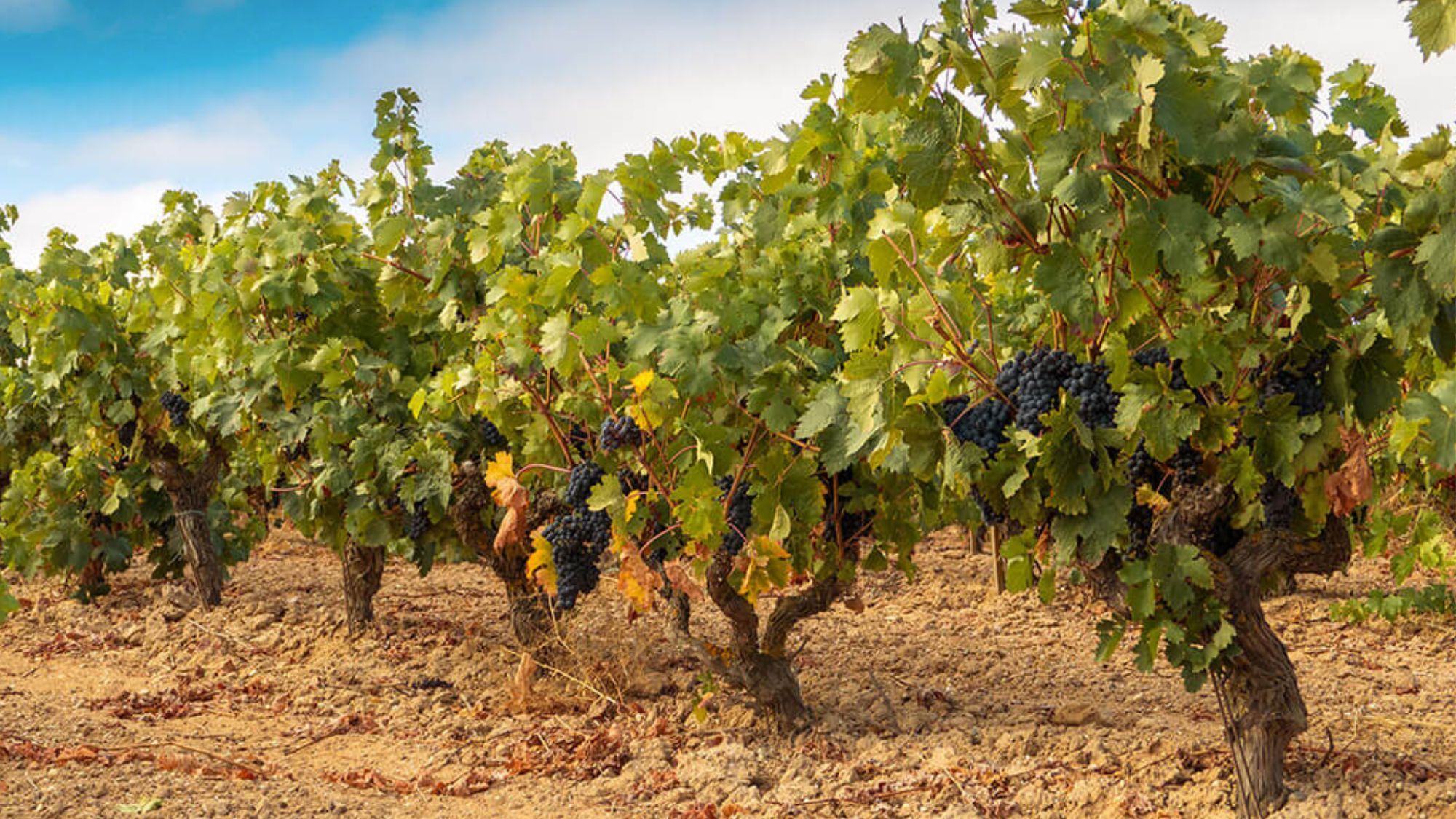
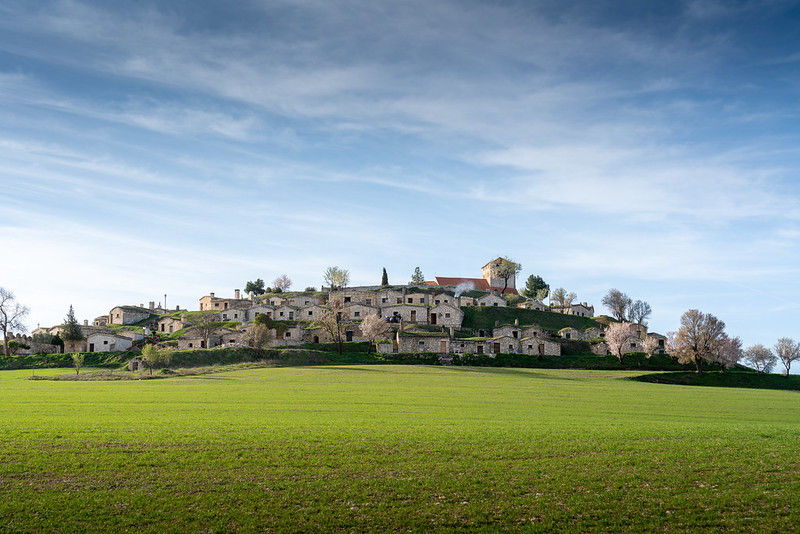
Across the Duero valley thousands of families cultivate vines that have often been in their care for generations. Many vineyards are divided into small parcels — sometimes no more than half a hectare — creating a patchwork of plots scattered across the plateau between villages such as La Aguilera, Quintana del Pidio, and Pedrosa de Duero.
This fragmented landscape reflects the structure of the region itself. Some growers cultivate their own vineyards and wineries, while others supply grapes to producers who rely on long-standing relationships with local families. Together these growers form the backbone of Ribera del Duero, maintaining vineyards that have shaped the character of the region for decades.
Wine has been made in this part of Spain for more than two millennia, with archaeological evidence of wine production dating back to the Vacceo settlement of Pintia in the 5th century BC. Today that long history continues to influence how vineyards are farmed and how wines are made.
Family Estates and Vineyard Heritage
Alongside the growers themselves are producers who have helped define the modern identity of the region.
Family estates such as Cillar de Silos, working around Quintana del Pidio, continue to farm historic vineyards where old vines and limestone-rich soils shape wines with depth and structure.
Further west in Pedrosa de Duero, the Pérez Pascuas family of Viña Pedrosa has long been associated with wines that reflect the power and balance traditionally linked with Ribera del Duero.
These estates illustrate how closely the wines remain tied to the vineyards themselves — a relationship that continues to define the region’s identity.
A New Generation of Winemakers
At the same time a younger generation of producers is exploring the region from a different perspective.
Rather than focusing solely on Ribera’s reputation for powerful reds, these winemakers are paying closer attention to vineyard site, altitude and soil composition.
Projects such as Valdaya, working with high-altitude vineyards around La Aguilera, reflect a growing interest in site expression and sustainable vineyard practices.
Their wines often highlight a fresher and more precise interpretation of Tinto Fino, the local name for Tempranillo that forms the backbone of Ribera’s red and rosado wines.
This evolving approach is also contributing to a broader diversity of styles. Alongside the structured reds that first established Ribera’s reputation, producers are increasingly crafting elegant rosados and exploring the potential of Albillo Mayor, a native white grape capable of producing expressive white wines with aromatic complexity and balanced acidity.
Sustainability and Vineyard Stewardship
The future of Ribera del Duero increasingly depends on careful vineyard stewardship.
The region’s climate can be demanding, with dry summers, long winters and rainfall often below 400 millimetres per year. These conditions require growers to manage vineyards carefully, focusing on soil health and vine resilience.
Many vineyards are still harvested by hand, and growers frequently limit yields through careful pruning and cluster thinning in order to produce high-quality grapes.
Across the region more producers are adopting sustainable vineyard practices — protecting soil structure, encouraging biodiversity between vineyard rows and preserving older vineyards whose deep root systems help vines withstand dry conditions.
These practices not only improve the long-term health of the vineyard but also help maintain the distinctive character of Ribera del Duero wines.
Photo Copyright: CRDO Ribera del Duero
What This Means for the Wines
Ultimately the wines of Ribera del Duero reflect the decisions made in the vineyard.
From how vines are pruned to when grapes are harvested, the work of growers and winemakers shapes how Tinto Fino expresses itself in the glass.
Wines such as Cillar de Silos Crianza, Valdaya El Valiente and Viña Pedrosa Cepa Gavilán each offer a different interpretation of Ribera’s vineyards, demonstrating how landscape, climate and people combine to create wines with distinct personalities.
Why Ribera Is Worth Discovering
The wines of Ribera del Duero are shaped not only by climate, altitude and soils, but by the people who work the vineyards.
Generations of growers have learned how to farm this demanding landscape, preserving old vines and caring for the soils that sustain them. In many ways the region continues to learn from its past while looking towards the future — combining traditional vineyard knowledge with new ideas that help vines adapt to changing conditions.
Their stewardship ensures that Ribera del Duero continues to evolve while remaining deeply connected to its roots.
And as you travel through the vineyards today, it becomes clear that the character of the region — much like its wines — continues to be shaped by the people who care for the land.



Comments