
Reach for Ribera: Why Altitude Matters
One of the defining characteristics of Ribera del Duero is its altitude.
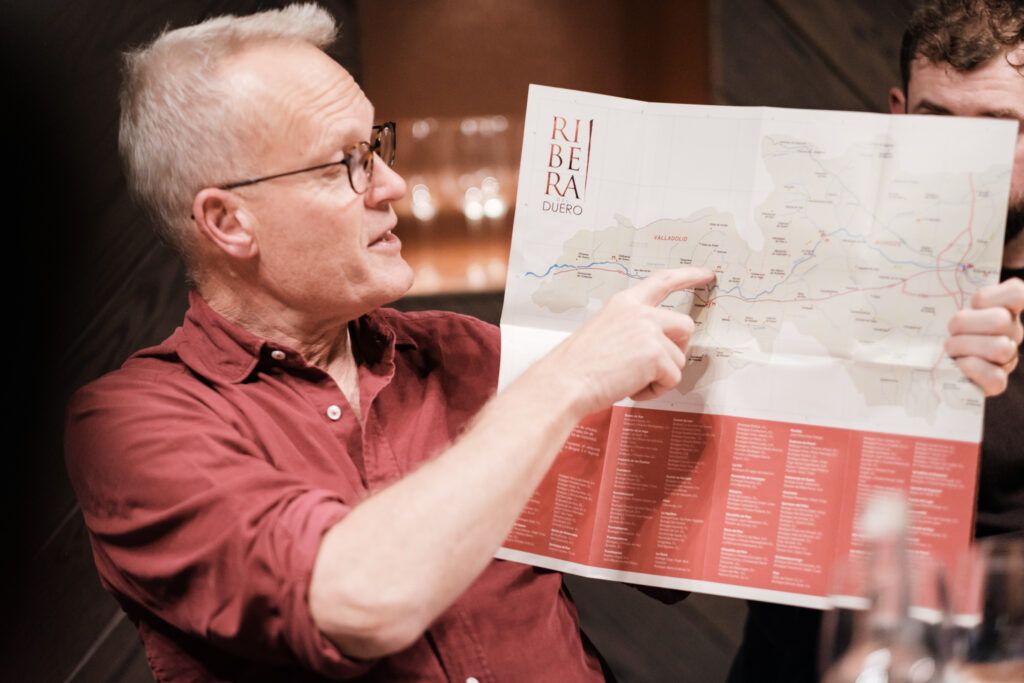
The vineyards stretch along the Duero River across a plateau that sits significantly higher than many of Europe’s better-known wine regions. In many places vines are planted between 750 and 950 metres above sea level, with some sites climbing even higher.
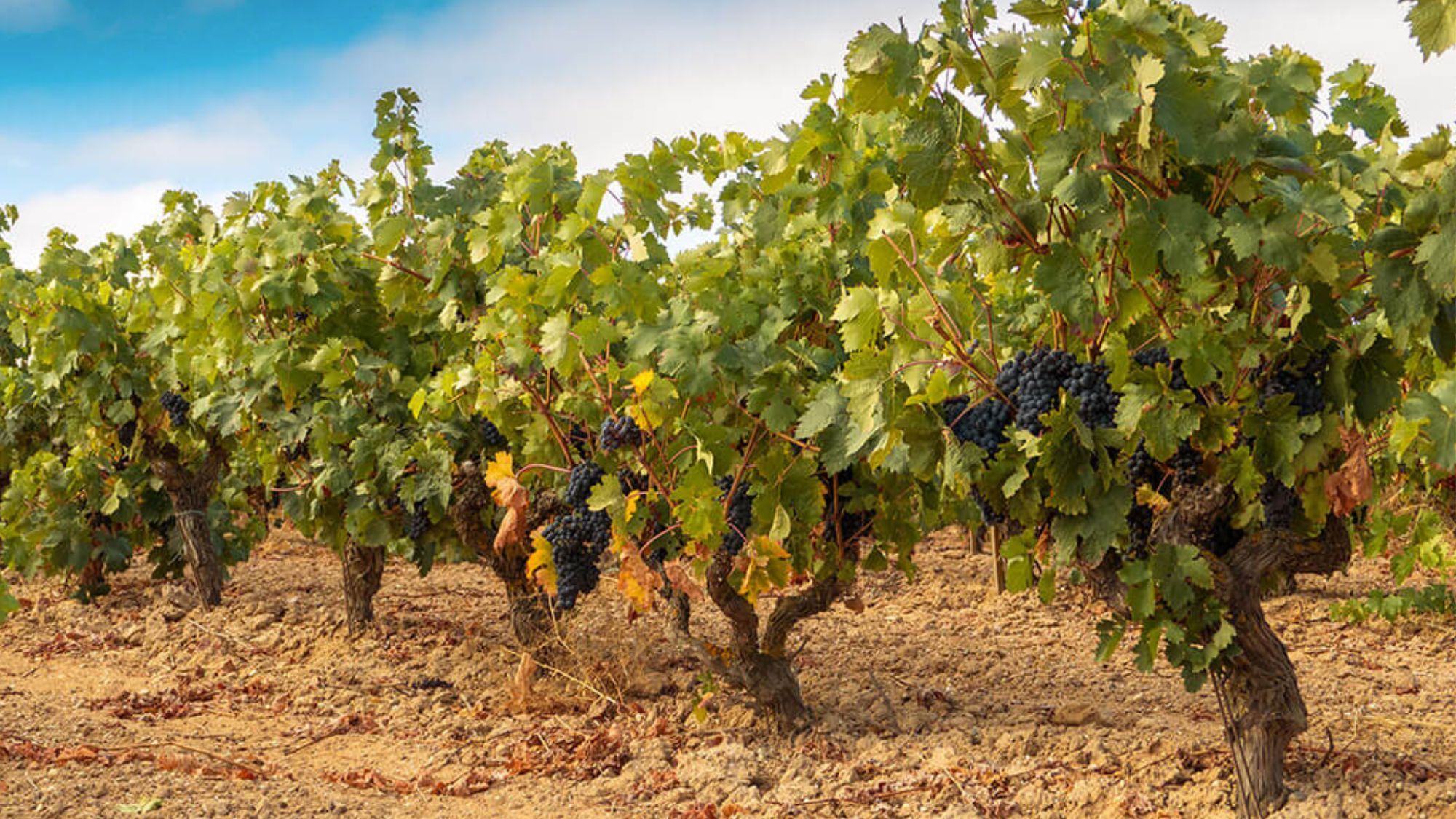
At first glance the landscape appears vast and open — rolling slopes, wide skies and scattered villages surrounded by low bush-trained vines.
Yet this elevation plays a crucial role in shaping both the wines and the way vineyards are farmed.

During the day the Castilian sun provides the warmth needed for grapes to ripen fully. But as evening approaches, temperatures drop rapidly across the plateau. These cooler nights slow the ripening process and help preserve acidity in the fruit.
In a warming wine world, altitude has become one of Ribera del Duero’s most important natural advantages — particularly as producers adapt to warmer growing seasons.
The region’s higher vineyards allow grapes to ripen slowly and evenly, producing wines that retain freshness despite the heat of the Castilian summers.
What This Means for the Wines
Altitude has a direct influence on how Tempranillo expresses itself in Ribera del Duero.
The warmth of the day encourages full ripening and depth of flavour, while cooler nights help retain structure and energy in the wines.
This balance is one of the reasons Ribera Tempranillo can combine richness with freshness — something that becomes clear when tasting across the region.

Wines such as Cillar de Silos Crianza, produced from vineyards around Quintana del Pidio, show how altitude and limestone soils can produce Tempranillo with both concentration and elegance.
Meanwhile the high-altitude vineyards around La Aguilera contribute freshness and vibrancy to wines such as Valdaya El Valiente.
These wines illustrate how elevation, soils and vineyard exposure can subtly shape the character of Tempranillo across Ribera del Duero.
Altitude and the Future of the Vineyard
Altitude is also becoming increasingly important for the future of the region.
Many producers are now looking more closely at vineyard management and soil health to help vines adapt to changing conditions.
Healthier soils retain water more effectively, helping vines withstand dry summers. Old vines, with their deeper root systems, are particularly resilient in this landscape.
Across Ribera del Duero, growers are increasingly focusing on sustainable vineyard practices — from careful canopy management to preserving historic vineyards and encouraging biodiversity between the rows.
These approaches not only protect the landscape but also help maintain the balance that defines the wines.
Photo Copyright: CRDO Ribera del Duero
Why Ribera Is Worth Discovering
One of the themes that has emerged in recent discussions about Ribera del Duero is the growing recognition of its diversity.
Alongside the powerful wines that first brought international attention to the region, producers are now exploring the nuances of vineyard sites, altitude and farming practices.
It is this combination of tradition, terroir and thoughtful vineyard stewardship that makes Ribera del Duero such a compelling region today.
And it is precisely why the wines continue to reward those willing to look more closely at the landscapes where they are grown.



Comments