
Reach for Ribera: Living with an Extreme Climate
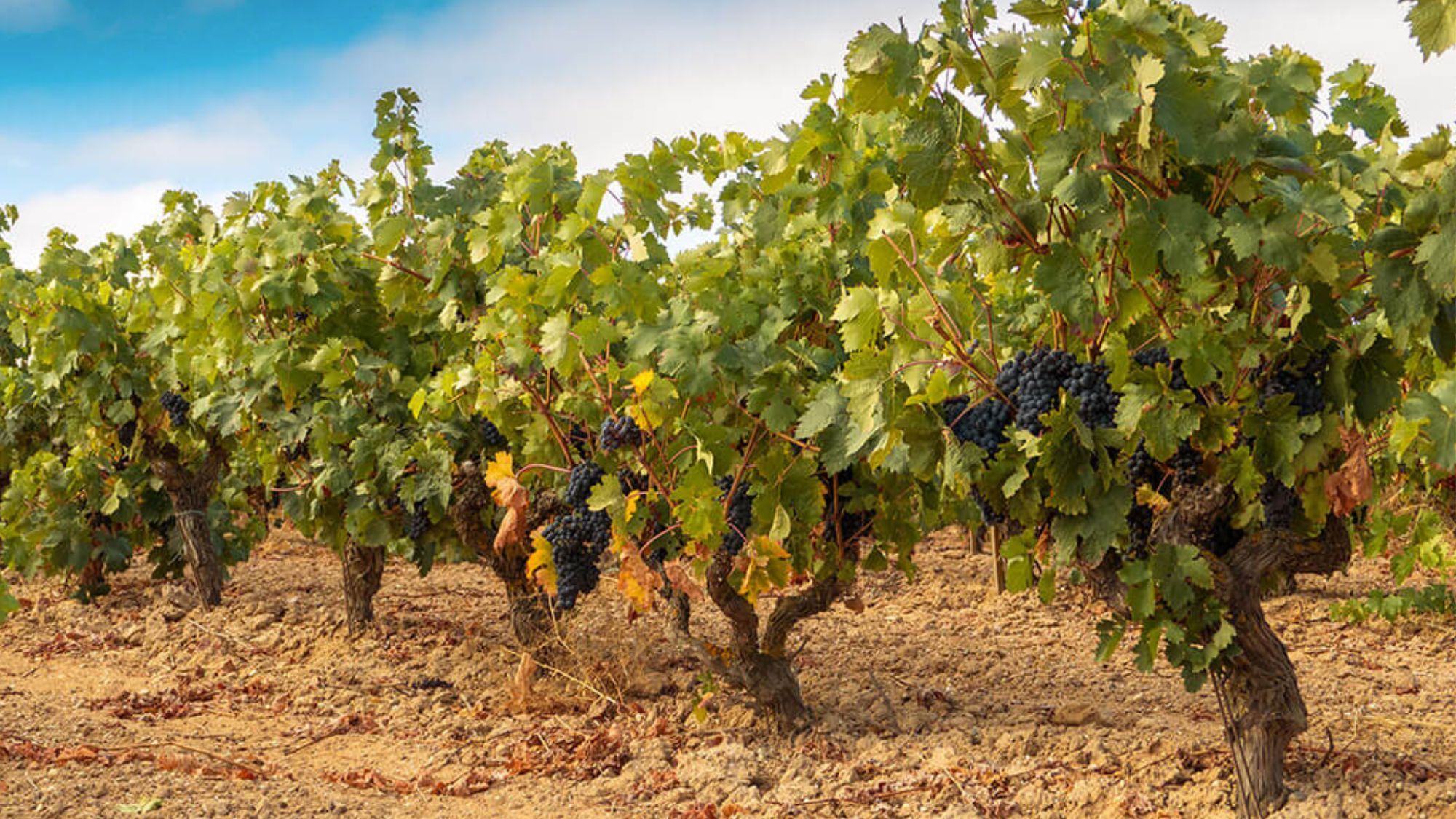
Spend time in Ribera del Duero and one thing quickly becomes clear — this is not an easy place to grow grapes.
The vineyards sit high on the Castilian plateau, where summers can be fiercely hot and winters bitterly cold. Rainfall is limited and spring frosts are never far from the minds of growers.
Locals often describe the climate with a phrase that has become part of Ribera folklore: nine months of winter and three months of hell.
It may sound dramatic, but it captures the reality of farming vines in this landscape.
Temperatures can rise above 40°C during the summer months, while winter nights regularly drop well below freezing. For vines, these extremes create natural stress — conditions that limit yields but also help concentrate flavour in the grapes.
Just as important is the rhythm between day and night.
During the day the Castilian sun encourages ripening. At night temperatures fall sharply, slowing the process and helping preserve acidity.
These dramatic temperature swings are one of the defining characteristics of the region.
What This Means for the Wines
This climatic balance between heat and freshness is one of the reasons Ribera del Duero produces such distinctive Tempranillo.
The warmth of the day brings richness and depth to the fruit, while the cooler nights help retain structure and energy.
In wines such as Valdaya El Valiente, sourced from high-altitude vineyards around La Aguilera, this contrast becomes particularly clear — ripe berry fruit layered with freshness and subtle herbal lift.
It is a style that shows how Ribera wines can combine intensity with balance.
The challenges of Ribera’s climate also highlight the importance of sustainable vineyard management.
Healthy soils retain moisture more effectively and help vines withstand dry summers.
Growers across the region are increasingly focused on soil health, biodiversity and vineyard stewardship — practices that strengthen vines and protect the long-term future of the region.

Photo Copyright: CRDO Ribera del Duero
Why Ribera Is Worth Discovering
Extreme climates are rarely easy for growers, but they can produce remarkable wines.
In Ribera del Duero the contrast between heat and coolness, altitude and exposure, continues to shape the character of Tempranillo grown across the region.
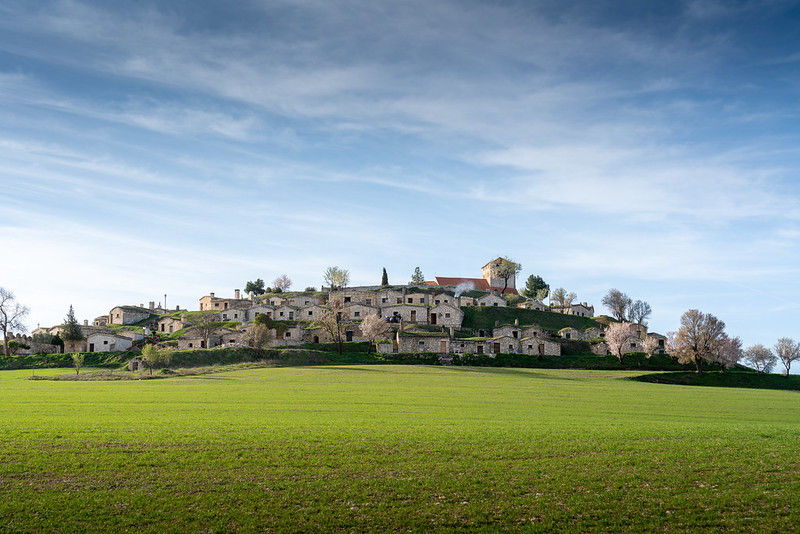
It is another reminder that the wines of Ribera are inseparable from the landscape that produces them.
And that is precisely why the region continues to reward those willing to explore its vineyards more closely.

Photo Copyright: CRDO Ribera del Duero



Comments