
Reach for Ribera: Old Vines and the Future of the Vineyard
“Old vines bring both heritage and resilience to the vineyards of Ribera del Duero.”
If soils shape the vineyard beneath the vines, age adds another layer of character above it.
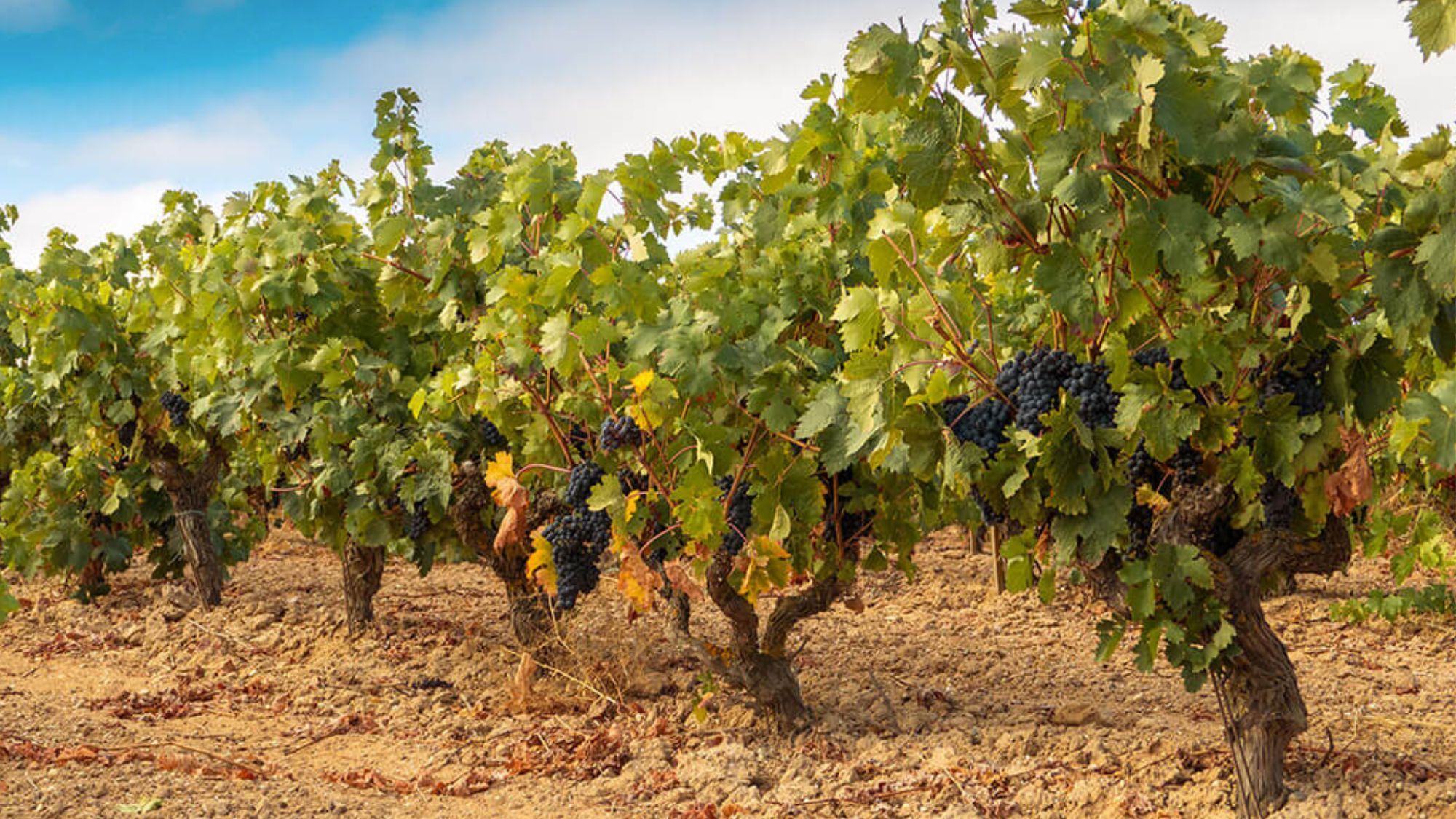
Walk through the vineyards of Ribera del Duero and one detail quickly stands out.
Many of the vines are old.
Across the region it is common to find vineyards planted forty, sixty or even eighty years ago. Some parcels contain vines that have quietly endured for more than a century.
These vineyards tell the story of Ribera long before the region gained Denominación de Origen status in 1982.
Much of the vineyard landscape remains divided into small plots, often farmed by families who have worked the same land for generations. With more than seven thousand growers cultivating vineyards across the valley, this fragmented landscape remains one of the defining characteristics of the region.
Old vines naturally produce fewer grapes than younger plantings, but what they yield is often more concentrated.
Their deep root systems allow them to draw water and nutrients from further below the soil surface — an important advantage in a region where rainfall can be scarce and summers intensely hot.
Research highlighted by organisations such as WSET and the Wine Scholar Guild has also pointed to the resilience of mature vineyards in warmer climates, where deeper roots and balanced growth help vines adapt to challenging conditions.
What This Means for the Wines
Old vines bring both depth and balance to the wines of Ribera del Duero.
Lower yields mean more concentrated fruit, while the age of the vines contributes structure and complexity.
Tempranillo from older vineyards often shows darker fruit, firmer tannins and a layered texture that develops beautifully with time.
Wines such as Cillar de Silos Crianza, sourced from historic vineyards around Quintana del Pidio, illustrate how old vines can produce Tempranillo with both richness and freshness.
Meanwhile the vineyards around Pedrosa de Duero, farmed by Viña Pedrosa, show how mature vines can bring structure and longevity to the wines.

Old Vines and Sustainability
Old vineyards are increasingly recognised as an important part of Ribera’s long-term sustainability.
Their deep root systems make them naturally resilient in dry conditions, allowing vines to access water stored deeper in the soil during Ribera’s hot summers.
Preserving these vineyards also protects biodiversity and maintains the character of the landscape.
Across Ribera del Duero many producers are placing greater emphasis on vineyard stewardship — improving soil health, encouraging biodiversity between the rows and reducing chemical inputs where possible.
Regional initiatives supported by the Ribera del Duero Regulatory Council have also highlighted the importance of soil conservation and sustainable vineyard management in protecting the long-term future of the region’s vineyards.
These practices help maintain healthier soils and stronger vines, allowing vineyards to remain productive even as growing conditions evolve.
In many ways the future of Ribera del Duero depends on this balance between tradition and careful vineyard management.
Why Ribera Is Worth Discovering
Old vines remain one of the defining features of Ribera del Duero. They connect today’s wines with decades of vineyard history while also offering resilience in a challenging climate.
For wine lovers they offer something equally valuable — wines with depth, character and a clear sense of place.
And that is one of the reasons Ribera del Duero continues to reward those willing to explore its vineyards more closely.
Photo Copyright: CRDO Ribera del Duero



Comments